Three different things with similar names
An initiative starts with citizens: proponents draft a measure and gather signatures to place it on a ballot directly. A referendum asks voters to approve or reject something a legislature has already done. A legislative referral is placed on the ballot by the legislature itself, which is how most constitutional amendments reach voters.
Roughly half the states allow citizen initiatives, and the mechanism does not exist at the federal level at all. There is no national ballot measure and no federal initiative process.
Qualification is the hard part
Signature requirements are usually expressed as a percentage of votes cast in a recent statewide election, which means the threshold moves with turnout. Many states add a distribution requirement — signatures must come from a minimum number of counties or districts — specifically to prevent a measure qualifying on the strength of one metropolitan area.
Signatures are validated by sampling or full check, and rejection rates are high. Proponents routinely gather well above the threshold because a substantial share will be struck for duplicate entries, unregistered signers, or mismatched addresses.
Single subject, titles, and post-election review
Most initiative states impose a single-subject rule: a measure must address one subject, so voters are not forced to accept a provision they oppose to obtain one they want. Single-subject challenges are among the most common ways a measure is struck before or after a vote.
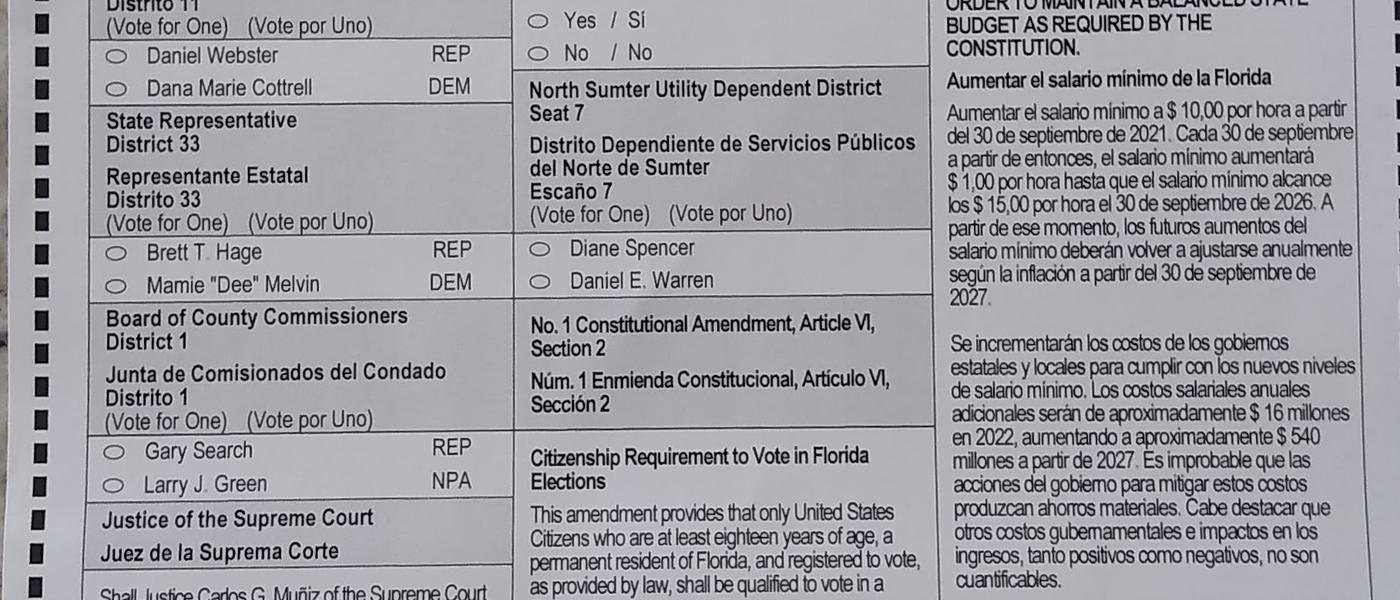
The ballot title and summary matter more than proponents expect, because most voters read only those. Who drafts them varies — in some states the attorney general, in others a neutral legislative office — and the wording is frequently litigated.
Passage is not the end. A measure remains subject to constitutional review, and courts have invalidated approved measures on single-subject, preemption, or constitutional grounds.
Questions
Can a legislature repeal a measure voters approved?
It depends on the state and on whether the measure was statutory or constitutional. Several states restrict legislative amendment of an initiative for a period of years, or require a supermajority.
Is there a federal ballot initiative?
No. The United States has no national initiative or referendum mechanism. All ballot measures are state or local.
Who writes the ballot title voters see?
It varies by state — commonly the attorney general or a legislative counsel, sometimes the proponents subject to official review. Because wording drives outcomes, titles are often challenged in court.

